


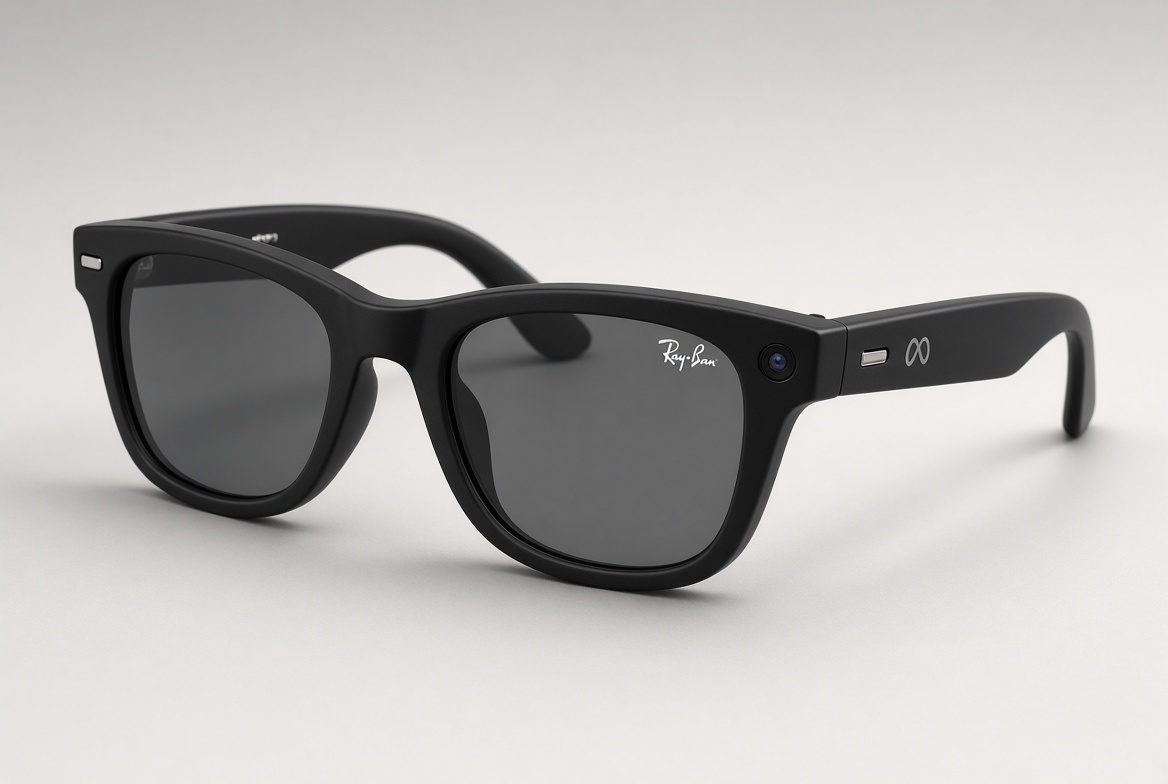
Ray-Ban Meta smart glasses are everywhere right now, and it is easy to see why. Being able to take a quick photo, record a video hands-free, or ask AI what you are looking at feels like something straight out of a sci-fi movie. But every time a new piece of tech comes along that puts a camera directly on your face, privacy concerns are bound to follow.
So, are these glasses actually a privacy risk? The short answer is yes, but it depends on whether you are talking about the privacy of the person wearing them or the privacy of the people around them.
The first big issue is recording people without their knowledge. On a regular smartphone, it is usually pretty obvious when someone is pointing a phone at you to take a picture or record a video. With smart glasses, all it takes is a quick tap on the frame or a simple voice command. Meta built a small white LED light on the front of the frames that lights up when you are recording, but in bright sunlight or from a distance, most people do not even notice it. That has led to a lot of awkwardness in public spaces, and it is the main reason why places like schools, gyms, and restaurants have started banning smart glasses altogether.
The second issue is what happens to your data when you use the built-in Meta AI. If you are just taking normal photos or videos and saving them to your phone, Meta says that footage stays on your device unless you choose to back it up to their cloud. However, if you use the "Hey Meta" feature to ask the assistant about what you are looking at, the glasses take a snapshot and send it to Meta's servers to process.
What many users do not realize is that Meta uses some of these images to train their AI models, and that means real human contractors sometimes review that media. If you happen to ask the AI a question while looking at a private document, a credit card, or personal information on a computer screen, that photo could end up being reviewed by someone else.
If you already own a pair or are thinking about buying one, you do not necessarily have to panic, but it pays to be smart about how you use them. You can go into the Meta app settings and turn off voice interactions or opt out of cloud storage. It is also good practice to turn the glasses off when you are around sensitive information or in places where people expect privacy.
At the end of the day, Ray-Ban Meta glasses are a fun and convenient piece of tech, but they definitely blur the lines when it comes to privacy. Being mindful of what the glasses are seeing, and how the people around you feel about them, goes a long way.



Conversation
3 CommentsCommenting as Guest
Log in | Sign up