

Valve’s Steam Machine initiative was an ambitious concept designed to bring PC gaming into the living room with compact, TV-friendly hardware and an open ecosystem. It introduced the innovative Steam Controller with dual trackpads to make mouse-and-keyboard games couch-friendly, and it gave players full freedom to upgrade their hardware without locking them into a closed console ecosystem.
However, the hardware was fundamentally crippled by poor game compatibility and a confusing market strategy. Built on a Linux-based OS at a time when most games required Windows, its library was severely limited. Additionally, Valve partnered with third-party manufacturers like Alienware and CyberPowerPC, resulting in a cluttered lineup ranging from $450 to over $1,500 that offered worse value and performance than standard Windows PCs.
Ultimately, the original Steam Machine was a commercial failure due to high prices and software limitations. However, it served as an essential stepping stone that allowed Valve to refine SteamOS and build Proton, directly paving the way for the massive success of the Steam Deck.
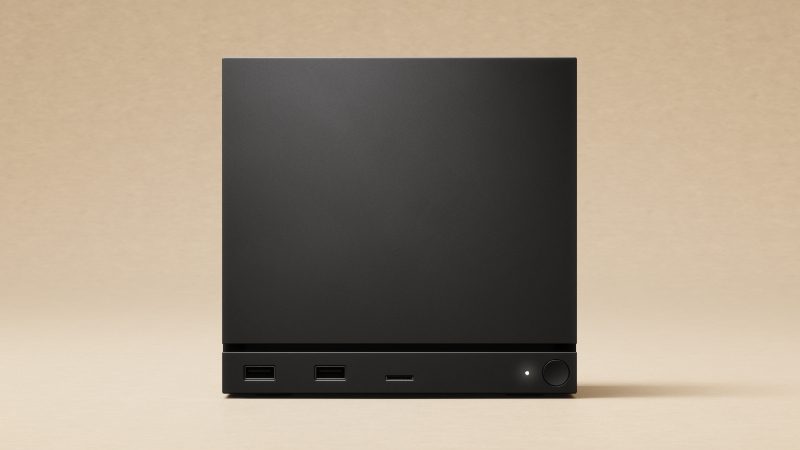
Steam Machine
$1,049
A whisper-quiet, gorgeous little PC for couch gaming that gets held back by its high price tag and middle-of-the-road performance.
Pros
- Super quiet fan system that stays silent even during long gaming sessions.
- Extremely compact, stylish cube design that fits great next to a TV.
- SteamOS makes PC gaming feel as easy as turning on a regular console.
Cons
- Costs way too much for the amount of gaming power you get.
- Base $1,049 model does not include a controller or much storage space.
- Struggles to run the newest heavy games smoothly without turning graphics settings way down.

Conversation
0 CommentsCommenting as Guest
Log in | Sign up